

Do I Need a Root Canal?
No one wakes up hoping they need a root canal. In fact, most people start by wondering if the toothache they’re feeling is “something that will go away.”
Sometimes it does. But when the soft tissue inside your tooth (called the pulp) becomes infected or inflamed, the discomfort often gets worse over time rather than better.

A root canal may be recommended if you’re experiencing symptoms like:
- Persistent or severe tooth pain
- Pain when chewing or biting down
- Sensitivity to hot or cold that lingers after the food or drink is gone
- Swollen or tender gums around one tooth
- A small pimple or bump on the gums
- A tooth that has become darker than the surrounding teeth
- Pain after a cracked tooth or deep cavity
Think of it like the “check engine” light in your car. You could ignore it and hope it turns off on its own, but there’s usually an underlying issue that needs attention. The sooner it’s diagnosed, the easier it is to prevent a much bigger… and more expensive… problem.
The good news? Not every toothache requires a root canal. During your exam, we’ll take digital X-rays, identify the source of your discomfort, and explain all of your treatment options so you can make an informed decision.
What Happens If I Wait?
When a tooth starts hurting, it’s tempting to put it off… especially if the pain comes and goes.
Unfortunately, tooth infections rarely heal on their own.
Imagine you notice a small leak under your kitchen sink. At first, it might only leave a tiny puddle. Ignore it long enough, though, and that little leak can damage the cabinet, the floor, and even the walls. What started as a simple repair becomes a much larger project.
An infected tooth works much the same way.
Without treatment, the infection can:
- Spread deeper into the tooth
- Cause a painful dental abscess
- Damage the surrounding bone
- Lead to swelling in your gums or face
- Increase the chances that the tooth can’t be saved and will need to be extracted
Treating the problem early often means a simpler recovery and a much better chance of preserving your natural tooth.
If you’re experiencing persistent tooth pain, it’s worth having it evaluated sooner rather than later. Even if you don’t need a root canal, you’ll have peace of mind knowing what’s causing the problem.
Does a Root Canal Hurt?
This is probably the question we hear more than any other.
The short answer?
Modern root canals are designed to relieve pain… not cause it.
Many people still picture root canals the way they were decades ago. Today’s techniques, digital imaging, and local anesthetics have made the procedure much more comfortable than most people expect.
In fact, many patients tell us getting a root canal feels very similar to having a filling placed.
The real source of discomfort is usually the infection itself… not the treatment.
Think about removing a painful splinter from your finger. The splinter is what hurts. Removing it may take a few minutes, but afterward, your finger finally begins to heal.
A root canal works in much the same way. We gently remove the infected tissue inside the tooth, clean the area thoroughly, and seal the tooth so the infection can’t return.
Our goal is simple: help you leave feeling better than when you arrived.
Root Canal vs. Tooth Extraction: Which Is Better?
When a tooth becomes infected, patients often ask:
“Should I just have it pulled?”
While every situation is different, dentists generally prefer saving your natural tooth whenever possible.
Your natural tooth is designed specifically for your bite. It helps keep neighboring teeth in their proper position, maintains normal chewing function, and preserves your jawbone.
Think of it like repairing the original hardwood floor in your home instead of replacing it with new flooring. If the original can be restored, it’s usually the best long-term solution.
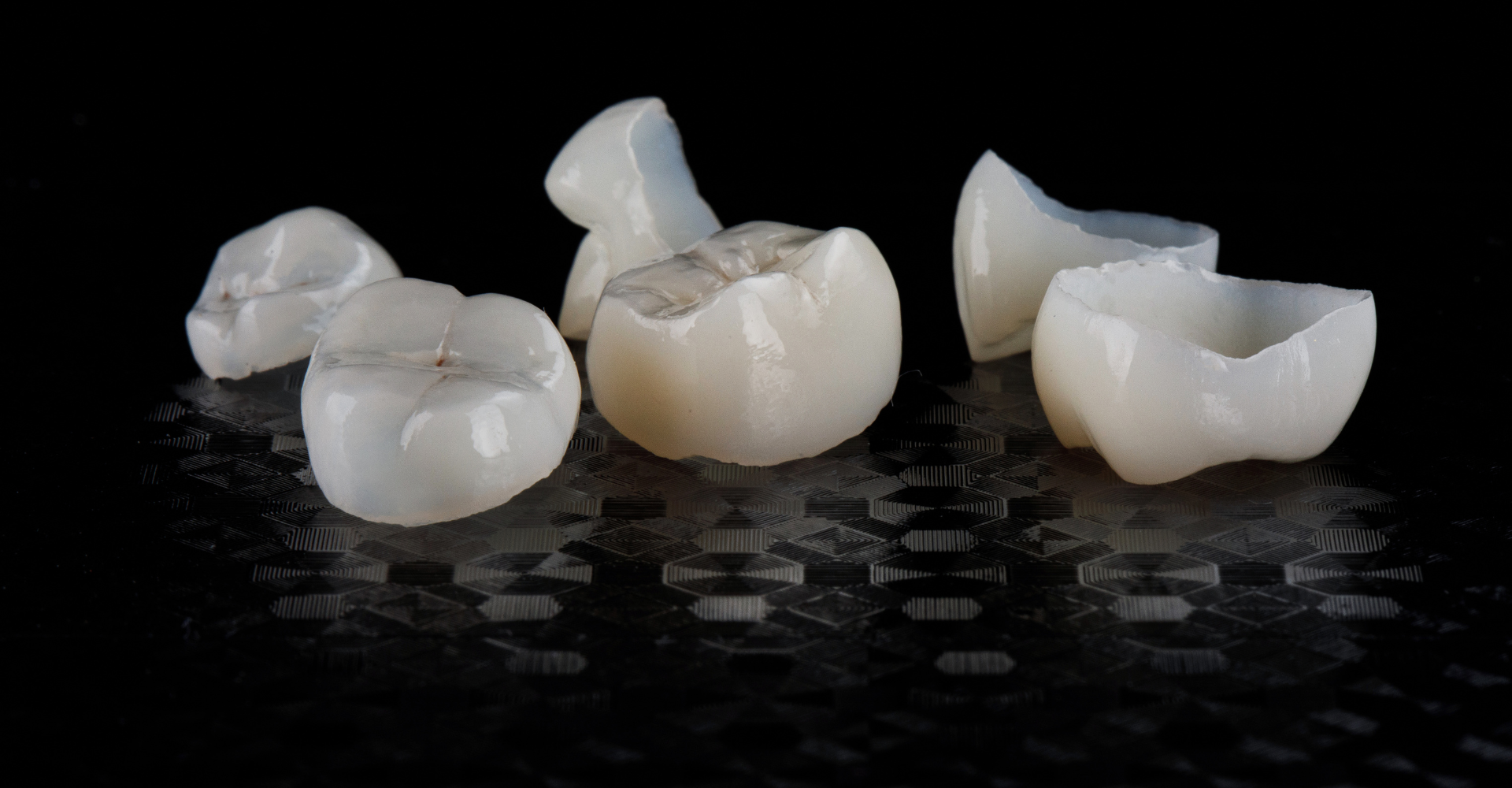
A root canal allows us to remove the infection while keeping the healthy outer structure of your tooth intact. After treatment, the tooth is often protected with a custom dental crown so you can continue using it comfortably for many years.
There are situations where an extraction is the better option, such as when a tooth is severely fractured or can’t be restored. If that’s the case, we’ll explain why and discuss replacement options like a dental implant or bridge.
Our recommendation is always based on what’s healthiest for you… not what’s easiest.
Root Canal vs. Dental Implant
Sometimes patients assume an implant is automatically “better” than a root canal.
The reality is a little more nuanced.
Whenever a tooth can be predictably saved, keeping your natural tooth is often the preferred choice.
A successful root canal allows you to continue using the tooth you were born with while eliminating the infection that’s causing your pain.
Dental implants are an outstanding solution when a tooth can’t be saved, but replacing a tooth is typically more involved than preserving one. It usually requires extraction, healing time, implant placement, and a custom crown over several months.
Think of it like replacing the engine in your car. If the engine can be repaired reliably, that’s often the simpler and more cost-effective option. If the engine is beyond repair, replacing it makes more sense.
During your exam, we’ll carefully evaluate your tooth and explain whether a root canal or an implant offers the best long-term outcome for your specific situation.
What Is Recovery Like After a Root Canal?
Most patients are pleasantly surprised by how quickly they’re able to return to their normal routine.
It’s common to experience mild soreness for a few days after treatment, especially if the tooth was badly infected beforehand. Over-the-counter pain relievers are often all that’s needed to stay comfortable.
Here’s what you can generally expect:
The First Few Hours
- Your mouth will remain numb until the local anesthetic wears off.
- Avoid chewing on the treated tooth until the numbness is gone.
The First Day
- Mild tenderness is normal.
- Many patients return to work or school the very same day or the following morning.
The First Week
- The surrounding tissues continue healing.
- Chewing becomes more comfortable each day.
Your Final Restoration
If a dental crown is recommended, we’ll place it after the tooth has healed. The crown helps strengthen and protect the tooth so you can continue using it confidently for years to come.
Following your aftercare instructions and maintaining regular brushing, flossing, and dental checkups will help maximize the lifespan of your treated tooth. and explain whether a root canal or an implant offers the best long-term outcome for your specific situation.